Eye Care
Eye Care
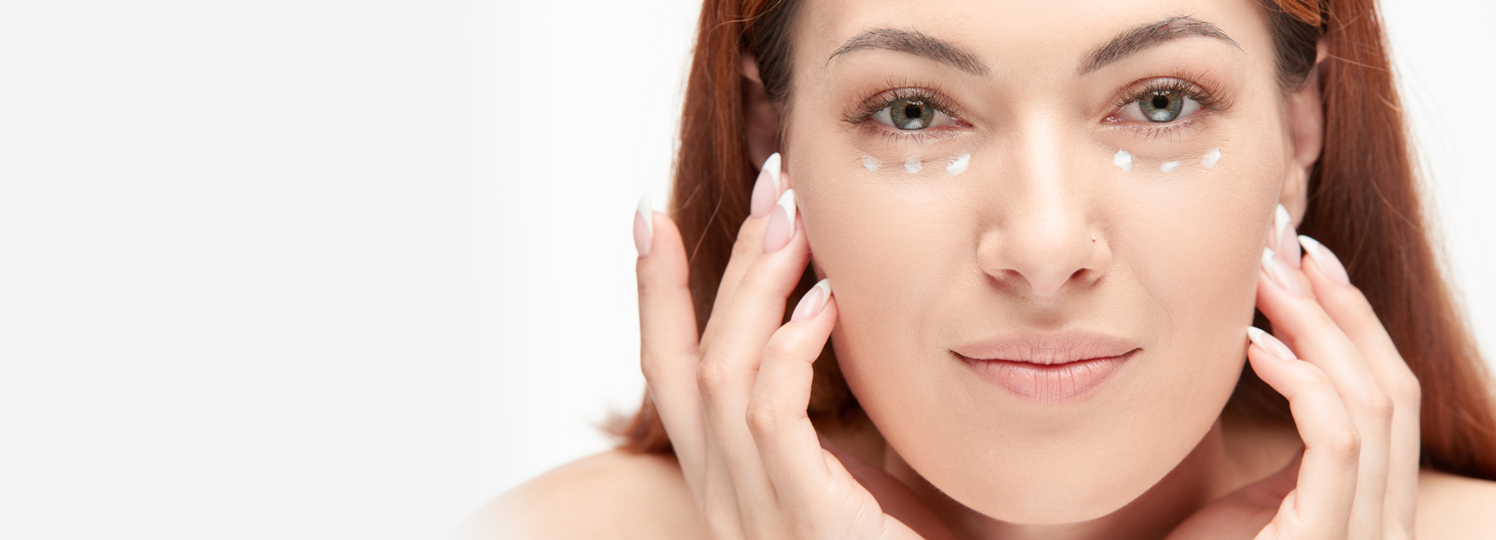
A special cream for the skin around the eyes.
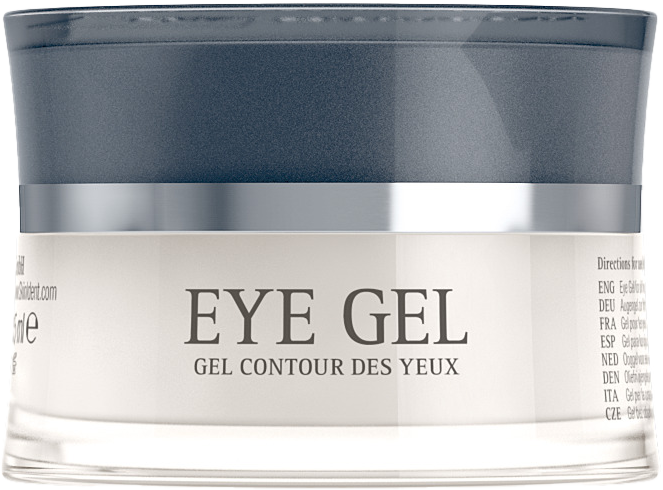
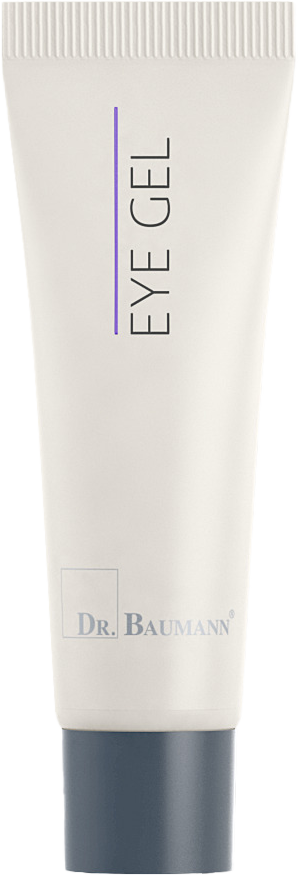
A non-oily gel with ceramides, hyaluronic acid and vitamin E which deeply moisturizes the skin around the eyes. Recommended for loss of elasticity. The non-oily consistency makes it an idea base for long-lasting eye makeup.
15 ml Jar
Art.-No. 1011
7 ml Tube
Art.-No. 1459
Aqua, Butylene Glycol, Urea, Panthenol, D-alpha-Tocopheryl Acetate, Glycosphingolipids, Sodium Hyaluronate, Allantoin, Polysorbate 20, Tetrahydroxypropyl Ethylenediamine, Carbomer
Aqua:
Water. It makes up approximately 65% of the weight of the human body and is therefore essential for bodily functions, including those of the skin. In many cosmetic products (aqueous solutions, cleansers, emulsions), water is the ingredient with the largest proportion of the formulation and forms the basis of the aqueous phase in emulsions. Water is a good solvent for polar (hydrophilic) substances such as alcohols, water-soluble vitamins, or salts. For use in cosmetic products, the water used is generally pre-treated to remove microorganisms that could lead to product spoilage or dissolved salts that might impair the stability of emulsions or gels (sterilization and desalination).
Butylene Glycol:
Solvent with moisturizing properties for the skin, very well tolerated, should be preferred to propylene glycol in products used daily.
Urea:
Water-soluble urea is used in numerous cosmetic products. Urea is a component of the natural moisturizing factors in the stratum corneum (content between 7% and 12%; up to half that in chronically dry skin) and has a high water-binding capacity. It contributes to sustained skin hydration and reduces transepidermal water loss. Urea has a keratoplastic effect, and at higher concentrations, a keratolytic effect, and is therefore also used in the care of skin affected by psoriasis or atopic dermatitis (eczema). Furthermore, urea is able to reduce the irritating potential of surfactants.
Panthenol:
D-Panthenol (Provitamin B5): Improves and increases the skin's moisture retention, has an anti-inflammatory effect, and soothes or inhibits itching. It stimulates epithelialization, allowing minor wounds (such as shaving), abrasions, and blisters to heal more quickly. It also promotes skin regeneration and combats cracked and brittle skin. When used in hair care products, it is not only deposited on the hair and scalp but also penetrates them, providing long-lasting effects. Since pantothenic acid is an important component of healthy hair, scientific studies have shown that its precursor, D-Panthenol, acts as "food for the hair." It provides long-lasting moisture, improves manageability, reduces split ends, improves the condition of damaged hair, thickens hair, and adds shine. It also reduces fingernail brittleness.
D-alpha-Tocopheryl Acetate:
Natural vitamin E acetate; storage form in the skin, converted into the active form by breaking the acetate bond; antioxidant with skin-protecting properties, e.g., against UV radiation, moisturizing, delays premature skin aging
Glycosphingolipids:
They are found in all cell membranes of the body; in the epidermis, they are the precursor of ceramides, an important component of the stratum corneum lipids.
Sodium Hyaluronate:
Sodium salt of hyaluronic acid. A natural moisturizer with skin-smoothing properties, an important natural component of the lower layers of the skin (dermis). Formerly extracted from rooster combs, it is now produced biotechnologically in improved quality.
Allantoin:
Allantoin is a naturally occurring, water-soluble substance chemically related to urea. It is found in various plants, but for cosmetic use, it is now produced synthetically. Its most important property is the stimulation of cell regeneration. It promotes collagen production, skin regeneration and wound healing, stimulates desquamation, smooths the skin, and can have a soothing effect on atopic dermatitis.
Polysorbate 20:
Emulsifier for O/W systems, solubilizer, is derived from sorbitol.
Tetrahydroxypropyl Ethylenediamine:
Used to neutralize polyacrylate gel (carbomer), it reacts alkaline in water.
Carbomer:
Neutral, very skin-friendly gelling agent based on polyacrylate. Contrary to various claims, it does not contain "microplastics".
