
Sun & Solarium
Sun & Solarium
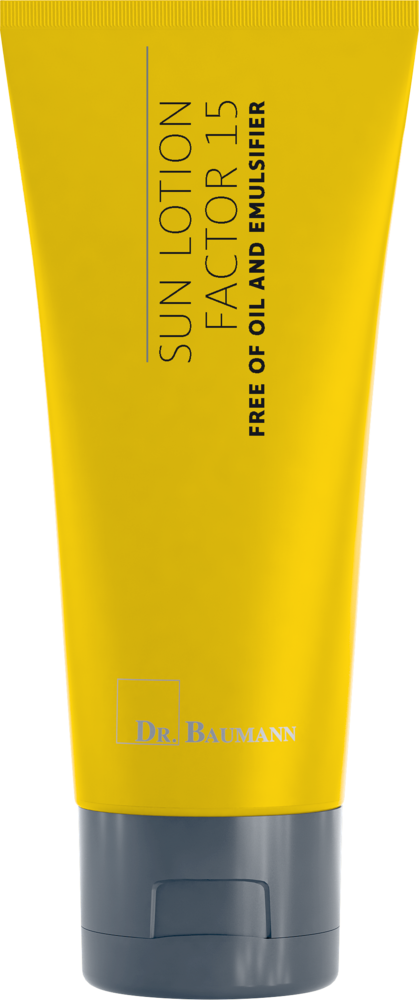
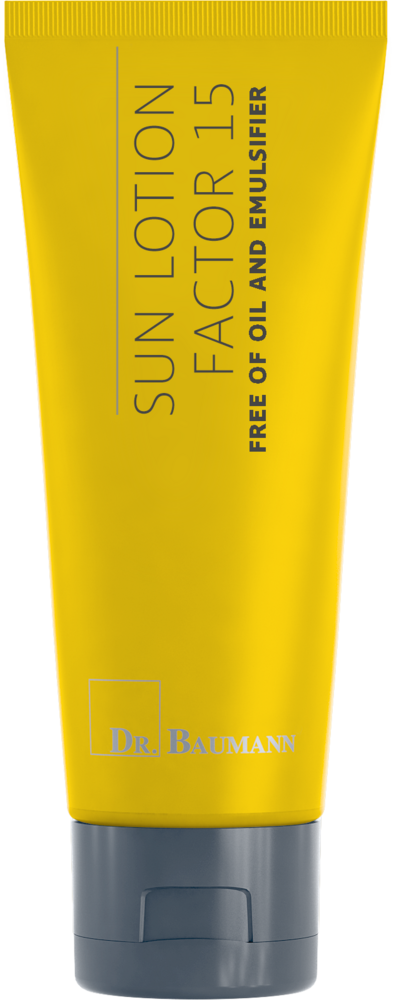
A light non greasy sun gel with skin-protective vitamin E, high quality synthetic light protection filter with excellent transparency on the skin. For a particularly gentle but intensive, long-lasting tan. Free of oil and emulsifier, therefore also suitable for particularly delicate skin prone to sun allergies and Mallorca acne.
200 ml Tube
Art.-No. 1096
75 ml Bottle
Art.-No. 1996
Aqua, Butylene Glycol, Ethylhexyl Salicylate, Titanium Dioxide (nano), Butylene Glycol Cocoate, Ethylhexyl Triazone, Bis-Ethylhexyloxyphenol Methoxyphenyl Triazine, Isostearyl Alcohol, Ethylcellulose, Diethylamino Hydroxybenzoyl Hexyl Benzoate, D-alpha-Tocopheryl Acetate, Hydrogenated Dimer Dilinoleyl/Dimethylcarbonate Copolymer, Xanthan Gum, Acrylates/C10-30 Alkyl Acrylate Crosspolymer, Alumina, Simethicone, Sodium Polyphosphate
Aqua:
Water. It makes up approximately 65% of the weight of the human body and is therefore essential for bodily functions, including those of the skin. In many cosmetic products (aqueous solutions, cleansers, emulsions), water is the ingredient with the largest proportion of the formulation and forms the basis of the aqueous phase in emulsions. Water is a good solvent for polar (hydrophilic) substances such as alcohols, water-soluble vitamins, or salts. For use in cosmetic products, the water used is generally pre-treated to remove microorganisms that could lead to product spoilage or dissolved salts that might impair the stability of emulsions or gels (sterilization and desalination).
Butylene Glycol:
Solvent with moisturizing properties for the skin, very well tolerated, should be preferred to propylene glycol in products used daily.
Ethylhexyl Salicylate:
Organic UV filter, primarily protects in the UV-B range.
Titanium Dioxide (nano):
Titanium dioxide, a natural mineral, is used in fine powder form as a highly opaque white pigment in decorative cosmetics (CI 77891) and as a particularly skin-friendly (inert) sunscreen filter, primarily effective in the UVB range. Surface-treated titanium dioxide (e.g., with alumina or hydroxystearic acid) is often used to improve its application properties. It is sometimes used as a nanomaterial; contrary to some claims, nanoscale titanium dioxide cannot penetrate the skin.
Butylene Glycol Cocoate:
Esters based on butylene glycol and fatty acids serve as a stabilizer and emulsifier.
Ethylhexyl Triazone:
Organic UV filter, primarily protects in the UV-B range.
Bis-Ethylhexyloxyphenol Methoxyphenyl Triazine:
Organic UV filter with good skin compatibility, which protects in both the UV-A and UV-B ranges.
Isostearyl Alcohol:
A fatty alcohol, it serves as a consistency enhancer and emollient.
Ethylcellulose:
A synthetically modified cellulose. Cellulose is the main component of plant cell walls and thus the most abundant organic compound and also the most common polysaccharide. Ethylcellulose is used in cosmetics as a consistency enhancer, surfactant, and film former.
Diethylamino Hydroxybenzoyl Hexyl Benzoate:
Sun filter in the UV-A range.
D-alpha-Tocopheryl Acetate:
Natural vitamin E acetate; storage form in the skin, converted into the active form by breaking the acetate bond; antioxidant with skin-protecting properties, e.g., against UV radiation, moisturizing, delays premature skin aging
Hydrogenated Dimer Dilinoleyl/Dimethylcarbonate Copolymer:
Additive used to improve water resistance, e.g. in sunscreens.
Xanthan Gum:
Polysaccharide, a natural gelling agent with very good skin-friendly properties, is obtained biotechnologically.
Acrylates/C10-30 Alkyl Acrylate Crosspolymer:
Gelling agent, emulsifier, very well tolerated by the skin
Alumina:
Aluminum oxide; a natural mineral, used as an additive and filler. No aluminum ions are released from aluminum oxide.
Simethicone:
Mixture of silica gel and dimethicone (silicone oil), powder aid, filler in decorative products, skin-neutral
Sodium Polyphosphate:
Emulsion stabilizer based on substances identical to those found in the body.
