
Sun & Solarium
Sun & Solarium
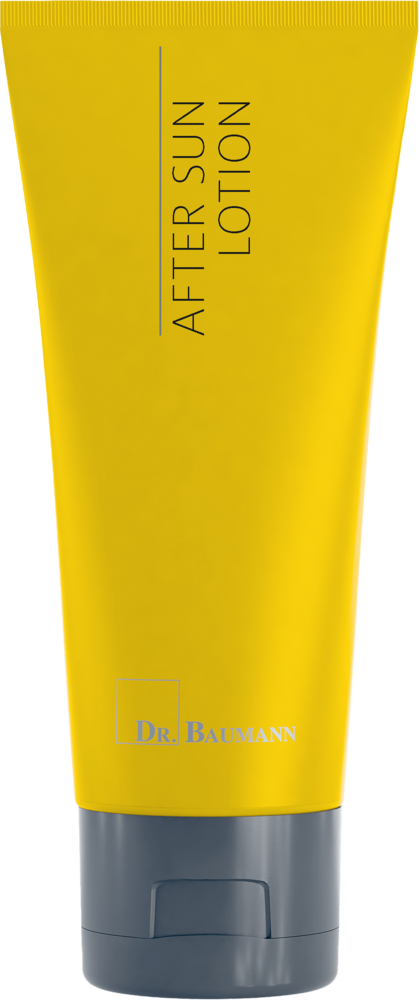
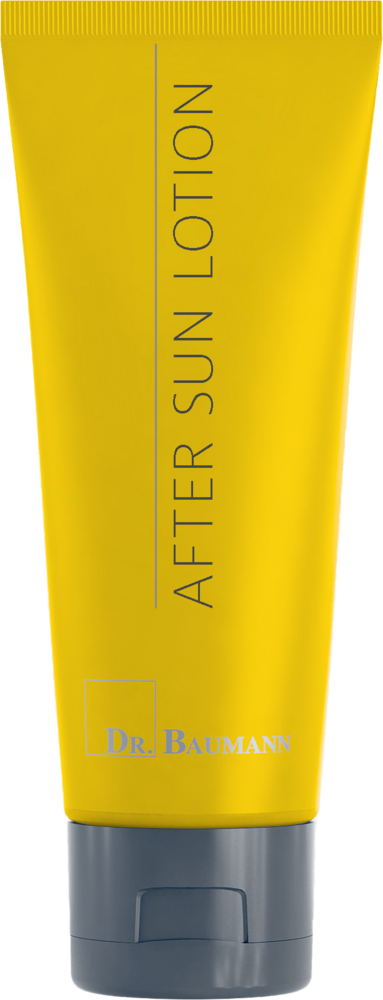
Calms and refreshes the skin after being in the sun or sun bed through a special combination of active substances. Sunburn fades more quickly and the intensity of the tan is enhanced. Ideal for use in combination with the regenerative Vitamin A ampoules.
200 ml Tube
Art.-No. 1036
75 ml Tube
Art.-No. 1936
Aqua, Aloe Barbadensis Leaf Juice, Macadamia Ternifolia Seed Oil, Butylene Glycol, Butyrospermum Parkii Butter, Urea, Panthenol, Polyglyceryl-3 Methylglucose Distearate, D-alpha-Tocopheryl Acetate, Sodium Lactate, Ceteareth-20, Stearyl Alcohol, D-Mixed Tocopherols, Retinyl Palmitate, Sodium Ascorbyl Phosphate, Beta-Carotene, Lactic Acid, Allantoin, Citric Acid, Xanthan Gum
Aqua:
Water. It makes up approximately 65% of the weight of the human body and is therefore essential for bodily functions, including those of the skin. In many cosmetic products (aqueous solutions, cleansers, emulsions), water is the ingredient with the largest proportion of the formulation and forms the basis of the aqueous phase in emulsions. Water is a good solvent for polar (hydrophilic) substances such as alcohols, water-soluble vitamins, or salts. For use in cosmetic products, the water used is generally pre-treated to remove microorganisms that could lead to product spoilage or dissolved salts that might impair the stability of emulsions or gels (sterilization and desalination).
Aloe Barbadensis Leaf Juice:
Aloe vera gel, plant-based active ingredient, healing, moisturizing, regenerating
Macadamia Ternifolia Seed Oil:
Macadamia nut oil: For the care of skin, hair and scalp, protects skin and hair from damage caused by sun exposure, protects against dryness of the skin and scalp, high content of palmitoleic acid, unsaturated fatty acids and vitamins.
Butylene Glycol:
Solvent with moisturizing properties for the skin, very well tolerated, should be preferred to propylene glycol in products used daily.
Butyrospermum Parkii Butter:
Shea butter: Fat from the seeds of the Butyrospermum parkii plant. It is particularly suitable for the care of dry skin and skin damaged, for example, by sun exposure. The skin becomes softer, and protection against dehydration and UV radiation is built up.
Urea:
Water-soluble urea is used in numerous cosmetic products. Urea is a component of the natural moisturizing factors in the stratum corneum (content between 7% and 12%; up to half that in chronically dry skin) and has a high water-binding capacity. It contributes to sustained skin hydration and reduces transepidermal water loss. Urea has a keratoplastic effect, and at higher concentrations, a keratolytic effect, and is therefore also used in the care of skin affected by psoriasis or atopic dermatitis (eczema). Furthermore, urea is able to reduce the irritating potential of surfactants.
Panthenol:
D-Panthenol (Provitamin B5): Improves and increases the skin's moisture retention, has an anti-inflammatory effect, and soothes or inhibits itching. It stimulates epithelialization, allowing minor wounds (such as shaving), abrasions, and blisters to heal more quickly. It also promotes skin regeneration and combats cracked and brittle skin. When used in hair care products, it is not only deposited on the hair and scalp but also penetrates them, providing long-lasting effects. Since pantothenic acid is an important component of healthy hair, scientific studies have shown that its precursor, D-Panthenol, acts as "food for the hair." It provides long-lasting moisture, improves manageability, reduces split ends, improves the condition of damaged hair, thickens hair, and adds shine. It also reduces fingernail brittleness.
Polyglyceryl-3 Methylglucose Distearate:
Emulsifier for oil-in-water systems with very good skin compatibility. Derived from glycerin, sugar, and fatty acids.
D-alpha-Tocopheryl Acetate:
Natural vitamin E acetate; storage form in the skin, converted into the active form by breaking the acetate bond; antioxidant with skin-protecting properties, e.g., against UV radiation, moisturizing, delays premature skin aging
Sodium Lactate:
Sodium lactic acid: Has a moisturizing effect on the skin, with the physiological pH value of the skin of an average of 5.5. Important component of the skin's natural moisturizing factor (NMF) and acid mantle.
Ceteareth-20:
Emulsifier based on fatty alcohols.
Stearyl Alcohol:
A fatty alcohol identical to those found in the body, occurring as an intermediate in fat metabolism, also present in small amounts in the epidermis. A consistency enhancer in emulsions.
D-Mixed Tocopherols:
This is the name given to a mixture of natural tocopherols (vitamin E; D-alpha, beta, gamma and delta tocopherol). Vitamin E is the most important skin-protecting vitamin, shielding the skin from UV rays and free radicals.
Retinyl Palmitate:
It is the storage form of vitamin A, which is converted into free vitamin A in the skin. It stimulates cell division and therefore has a strong regenerative effect, especially on prematurely aged skin and with prolonged use. Studies have even demonstrated an increase in the skin's collagen content, a slight reduction in wrinkles, and an increase in skin elasticity.
Sodium Ascorbyl Phosphate:
Highly effective antioxidant and vitamin C booster for the skinVitamin C is stored as a phosphate ester. It is a water-soluble vitamin with antioxidant properties. It counteracts cell-damaging free radicals, protects unsaturated fatty acids from oxidation, and is essential for the formation of collagen and thus all connective tissue, as well as for the function of the immune system. Together with vitamin E, it is very effective in preventing the formation of nitrosamines.
Beta-Carotene:
Provitamin A: Fat-soluble vitamin with antioxidant properties, counteracts photo-oxidative stress during sun exposure, cell-damaging free radicals, protects unsaturated fatty acids from oxidation, is skin-protecting and skin-regenerating.
Lactic Acid:
Lactic acid. Occurs as a metabolic product in the body and on the skin; in higher concentrations and at a low pH value of 2 to 3, it has an exfoliating effect on the stratum corneum; in buffered form (physiological pH value of the skin approx. 5.5), it supports the moisture content and preserves the skin's acid mantle.
Allantoin:
Allantoin is a naturally occurring, water-soluble substance chemically related to urea. It is found in various plants, but for cosmetic use, it is now produced synthetically. Its most important property is the stimulation of cell regeneration. It promotes collagen production, skin regeneration and wound healing, stimulates desquamation, smooths the skin, and can have a soothing effect on atopic dermatitis.
Citric Acid:
Citric acid. A biotechnologically produced, bioidentical active ingredient. It occurs naturally in the human body and is also found in low concentrations on the skin. It protects the skin from oxidative stress, supports the product protection provided by antioxidants, and regulates the product's pH value.
Xanthan Gum:
Polysaccharide, a natural gelling agent with very good skin-friendly properties, is obtained biotechnologically.
