
Lipstick
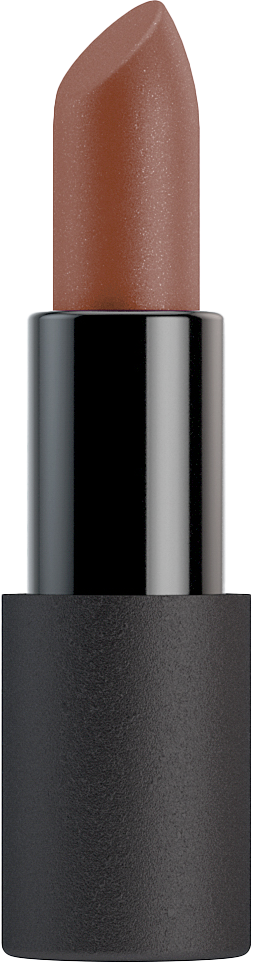
Lipstick
The large selection of cool and warm tones which are easily blended provides you with virtually endless colour variations for your lips. The high concentration of natural plant oils in these lip colours nourishes your lips and prevents them from becoming dry and chapped.

Ricinus Communis Seed Oil, Candelilla Cera, Carnauba Cera, Octyldodecanol, Zea Mays Oil, Glycine Soya Oil, Octyldodecyl Stearoyl Stearate, Glyceryl Linoleate, D-Mixed Tocopherols, Vanillin, Calcium Aluminum Borosilicate, Calcium Sodium Borosilicate, Mica, Silica, Talc, Alumina , (+/-) CI 77891, (+/-) CI 77491, (+/-) CI 77492, (+/-) CI 77499, (+/-) CI 15850, (+/-) CI 42090, (+/-) CI 45410, (+/-) CI 47005, (+/-) CI 77489, (+/-) CI 77510
Ricinus Communis Seed Oil:
Castor oil: Oil from the seeds of the castor bean plant, very well tolerated, penetrates the skin well.
Candelilla Cera:
Candelilla wax. Natural wax from Mexican grasses of the genus Euphorbia Cerifera, consistency enhancer in lipstick preparations, moisturizing.
Carnauba Cera:
Plant wax from the leaves of the palm Copernicia prunifera
Octyldodecanol:
Fatty alcohol derived from vegetable oils. It acts as a consistency enhancer, stabilizer, and moisturizer. Frequently used in makeup products.
Zea Mays Oil:
Corn germ oil, a natural oil with high proportions of unsaturated fatty acids
Glycine Soya Oil:
Soybean oil
Octyldodecyl Stearoyl Stearate:
Ester-based emollient and viscosity regulator; binder in pressed powders; consistency enhancer in lipsticks. Viscous oil with good lubricating properties.
Glyceryl Linoleate:
Consistency enhancer, partially saponified, mostly derived from soybean oil, supports the effect of emulsifiers, and has a moisturizing effect in surfactants.
D-Mixed Tocopherols:
This is the name given to a mixture of natural tocopherols (vitamin E; D-alpha, beta, gamma and delta tocopherol). Vitamin E is the most important skin-protecting vitamin, shielding the skin from UV rays and free radicals.
Vanillin:
Natural flavoring agent, antioxidant
Calcium Aluminum Borosilicate:
Skin-neutral, mineral base for powders and decorative cosmetics. Does not release aluminum ions into the skin.
Calcium Sodium Borosilicate:
Mineral filler in pencil formulations
Mica:
Mica, a natural mineral and lustrous pigment.
Silica:
Silicon dioxide; serves as a mineral base material and powder with degreasing and cleaning effects.
Talc:
Talc (also known as talc or soapstone. Not to be confused with tallow!). Magnesium-containing mica, a natural mineral, contains no fibrous components, therefore asbestos-like effects are ruled out. Powder base; good adhesive and gliding properties.
Alumina:
Aluminum oxide; a natural mineral, used as an additive and filler. No aluminum ions are released from aluminum oxide.
CI 77891:
Titanium dioxide, a white mineral pigment with high opacity
CI 77491:
Iron oxide, red, mineral pigment
CI 77492:
Iron oxide, yellow, mineral pigment
CI 77499:
Iron oxide, black, mineral pigment
CI 15850:
Red synthetic dye
CI 42090:
blue synthetic dye
CI 45410:
Red synthetic dye
CI 47005:
Yellow synthetic dye, approved for food use
CI 77489:
Iron oxide, orange, mineral pigment
CI 77510:
Ferrous hexacyanoferrate, a mineral blue dye, historically also called 'Berlin Blue' or 'Prussian Blue'.
