
Facial Care
Facial Care
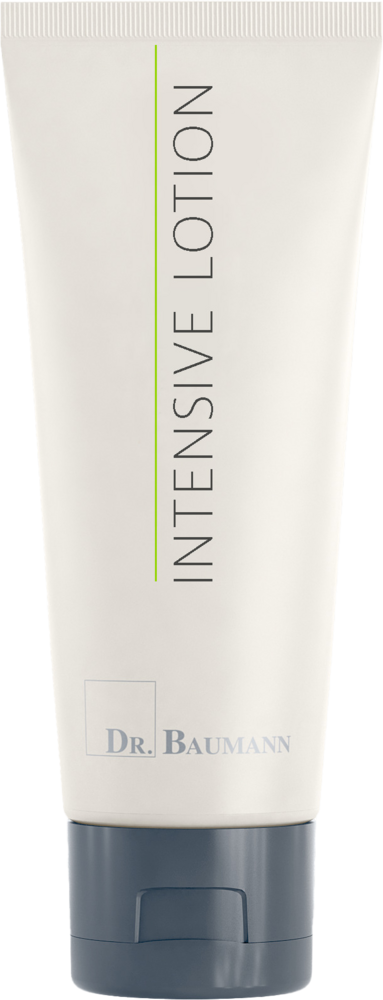
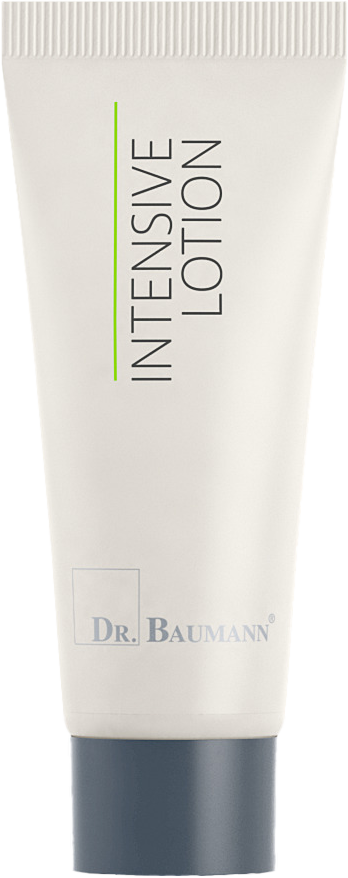
The fluid texture and the proportion of evening primrose oil makes this an ideal alternative for intensive care of dry, fragile facial skin when other creams are too paste-like, or for particularly intensive nourishment of dry skin on the body. Best suited for facial and body massage.
75 ml Tube
Art.-No. 1912
10 ml Tube
Art.-No. 1512
Aqua, Ethylhexyl Cocoate, Butylene Glycol, Oenothera Biennis Oil, Urea, C18-36 Acid Triglyceride, Sodium Lactate, Polyglyceryl-2 Dipolyhydroxystearate, Diisostearoyl Polyglyceryl-3 Dimer Dilinoleate, D-Mixed Tocopherols, Retinyl Palmitate, Sodium Ascorbyl Phosphate, Lactic Acid, Allantoin, Glyceryl Behenate, Ormenis Multicaulis Flower Oil, Magnesium Sulfate
Aqua:
Water. It makes up approximately 65% of the weight of the human body and is therefore essential for bodily functions, including those of the skin. In many cosmetic products (aqueous solutions, cleansers, emulsions), water is the ingredient with the largest proportion of the formulation and forms the basis of the aqueous phase in emulsions. Water is a good solvent for polar (hydrophilic) substances such as alcohols, water-soluble vitamins, or salts. For use in cosmetic products, the water used is generally pre-treated to remove microorganisms that could lead to product spoilage or dissolved salts that might impair the stability of emulsions or gels (sterilization and desalination).
Ethylhexyl Cocoate:
Identical to Octyl Cocoate. A highly spreading, non-greasy liquid wax ester, produced from coconut oil. Wide range of applications as a neutral base oil.
Butylene Glycol:
Solvent with moisturizing properties for the skin, very well tolerated, should be preferred to propylene glycol in products used daily.
Oenothera Biennis Oil:
Evening primrose oil: One of the most valuable oils for skincare. With its high concentrations of the highly unsaturated fatty acids linoleic acid and gamma-linolenic acid, it combats dry, rough, and flaky skin. It moisturizes, soothes the skin, improves blood circulation, and helps prevent breakouts. In many people, the metabolic step from linoleic acid to gamma-linolenic acid is disrupted, which in extreme cases can lead to atopic dermatitis (eczema). Therefore, evening primrose oil is also very popular in naturopathy.
Urea:
Water-soluble urea is used in numerous cosmetic products. Urea is a component of the natural moisturizing factors in the stratum corneum (content between 7% and 12%; up to half that in chronically dry skin) and has a high water-binding capacity. It contributes to sustained skin hydration and reduces transepidermal water loss. Urea has a keratoplastic effect, and at higher concentrations, a keratolytic effect, and is therefore also used in the care of skin affected by psoriasis or atopic dermatitis (eczema). Furthermore, urea is able to reduce the irritating potential of surfactants.
C18-36 Acid Triglyceride:
High-melting wax made from natural raw materials, consistency enhancer
Sodium Lactate:
Sodium lactic acid: Has a moisturizing effect on the skin, with the physiological pH value of the skin of an average of 5.5. Important component of the skin's natural moisturizing factor (NMF) and acid mantle.
Polyglyceryl-2 Dipolyhydroxystearate:
W/O emulsifier, made from vegetable fats.
Diisostearoyl Polyglyceryl-3 Dimer Dilinoleate:
Emulsifier for W/O emulsions, derived from the renewable, plant-based raw materials glycerin and fatty acids, very good skin compatibility.
D-Mixed Tocopherols:
This is the name given to a mixture of natural tocopherols (vitamin E; D-alpha, beta, gamma and delta tocopherol). Vitamin E is the most important skin-protecting vitamin, shielding the skin from UV rays and free radicals.
Retinyl Palmitate:
It is the storage form of vitamin A, which is converted into free vitamin A in the skin. It stimulates cell division and therefore has a strong regenerative effect, especially on prematurely aged skin and with prolonged use. Studies have even demonstrated an increase in the skin's collagen content, a slight reduction in wrinkles, and an increase in skin elasticity.
Sodium Ascorbyl Phosphate:
Highly effective antioxidant and vitamin C booster for the skinVitamin C is stored as a phosphate ester. It is a water-soluble vitamin with antioxidant properties. It counteracts cell-damaging free radicals, protects unsaturated fatty acids from oxidation, and is essential for the formation of collagen and thus all connective tissue, as well as for the function of the immune system. Together with vitamin E, it is very effective in preventing the formation of nitrosamines.
Lactic Acid:
Lactic acid. Occurs as a metabolic product in the body and on the skin; in higher concentrations and at a low pH value of 2 to 3, it has an exfoliating effect on the stratum corneum; in buffered form (physiological pH value of the skin approx. 5.5), it supports the moisture content and preserves the skin's acid mantle.
Allantoin:
Allantoin is a naturally occurring, water-soluble substance chemically related to urea. It is found in various plants, but for cosmetic use, it is now produced synthetically. Its most important property is the stimulation of cell regeneration. It promotes collagen production, skin regeneration and wound healing, stimulates desquamation, smooths the skin, and can have a soothing effect on atopic dermatitis.
Glyceryl Behenate:
Lipid based on glycerin and fatty acids.
Ormenis Multicaulis Flower Oil:
Moroccan chamomile oil: Has anti-inflammatory, wound-healing, and calming properties. Unlike German chamomile, no allergies are known.
Magnesium Sulfate:
Epsom salt, stabilizer in W/O formulations
